Physician compensation is not determined by salary surveys alone. It is shaped by specialty shortages, geographic supply constraints, productivity models, call structure, policy shifts, retention risk, and the economics of healthcare delivery. Understanding compensation requires understanding demand.
This pillar examines physician pay through a market lens. It explores salary benchmarks, productivity-based compensation, signing incentives, contract structure, and dispute patterns — while connecting them to the labor forces that sustain or distort compensation growth.
This pillar examines the macro dynamics shaping clinician demand: demographic shifts, specialty-specific shortages, geographic maldistribution, immigration pathways, scope-of-practice changes, burnout-driven attrition, telehealth expansion, and the economics of staffing growth. These forces explain not only why demand exists, but where it concentrates, how long it may persist, and how it affects compensation, recruitment urgency, and long-term workforce planning.
For macro supply dynamics, see
For hiring mechanics and negotiation timing, visit

Compensation is a function of leverage. Leverage arises when demand exceeds supply in a specialty, region, or service line. Persistent physician shortages in primary care, psychiatry, hospital medicine, and certain surgical fields continue to support upward pressure on total compensation packages.
Explore related analysis under
In high-demand specialties or underserved regions, employers frequently compete through:
Compensation therefore reflects more than individual productivity — it reflects labor scarcity.

Most physician compensation models fall into three primary categories:
Each model distributes risk differently.
Explore deeper analysis under


Physicians evaluating offers should assess:
Compensation transparency varies widely between organizations. Understanding structure is as important as understanding total dollar figures.

In competitive markets, signing bonuses have become more common. Incentives may include:
See related analysis under

Hospital-based specialties frequently incorporate shift-based compensation structures. Emergency medicine, hospitalist medicine, and critical care often include:
Explore related coverage under
Understanding shift structure is critical when comparing offers. Two positions with similar base salaries may differ significantly in call burden or shift distribution.

Compensation is inseparable from contract structure. Contract terms define:
Explore insights under
Contract disputes often arise not from headline salary but from:
Clear documentation of compensation metrics reduces risk of dispute.

Compensation varies widely by specialty due to differences in procedural intensity, reimbursement rates, training length, and shortage severity.
For example:
Specialty-specific compensation is also influenced by geographic demand concentration.
Physicians should compare offers against specialty-adjusted benchmarks, not national averages alone.

Regional physician density significantly affects compensation. Rural and underserved markets frequently offer stronger signing incentives and higher base pay relative to cost-of-living.
Explore geographic demand patterns under

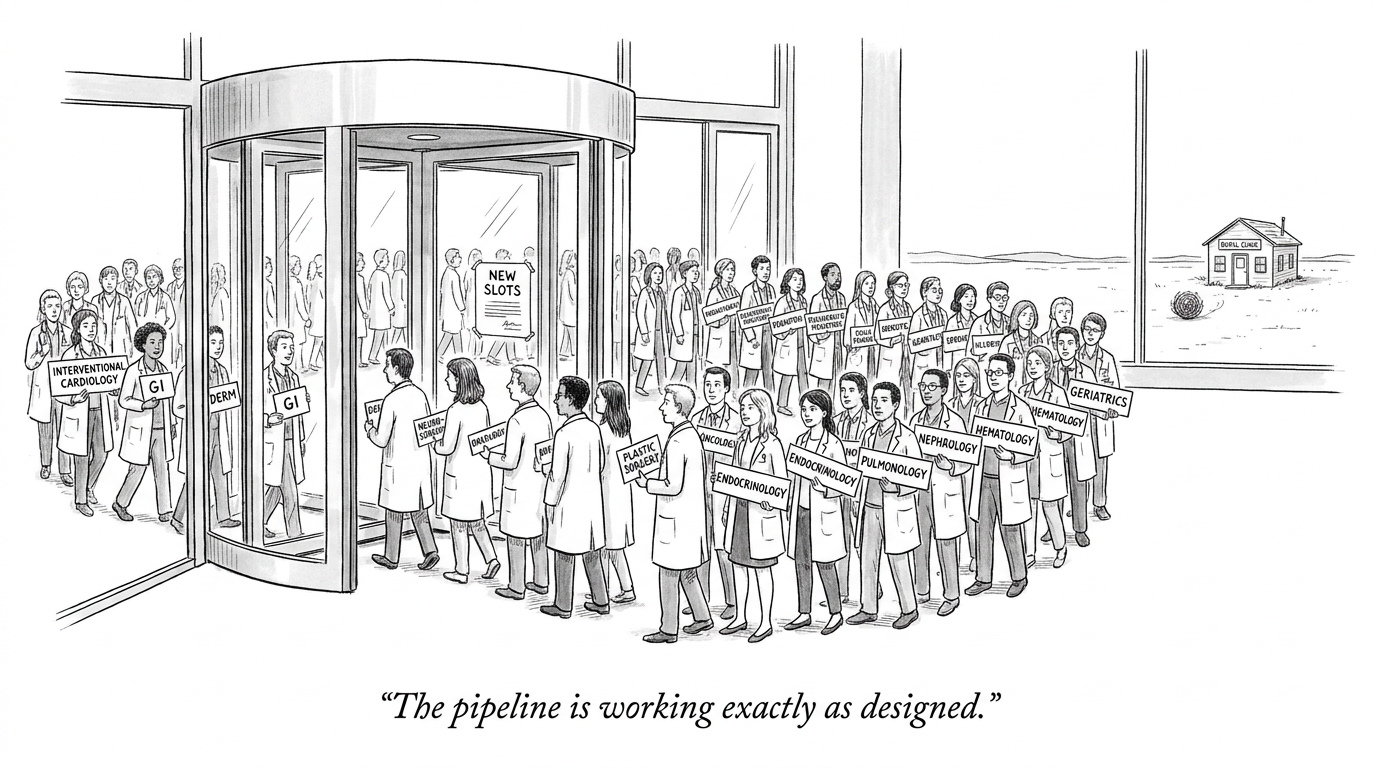
However, geographic leverage must be balanced against lifestyle preferences, support infrastructure, and long-term market stability.

Retention risk often drives compensation adjustments. When attrition rises due to burnout or workload strain, employers may increase pay to stabilize staffing.
Explore related context under



Compensation increases may signal:
Physicians should assess whether higher pay reflects sustainable demand or reactive stabilization.

Healthcare organizations operate under margin constraints. Compensation growth must align with revenue generation capacity.
Factors influencing compensation sustainability include:
While physician demand remains strong in many specialties, compensation growth may moderate when revenue compression intensifies.
Understanding these macro forces provides context for evaluating multi-year contract offers.

Residents entering the job market often focus on base salary while overlooking:
Early-career physicians should evaluate compensation holistically, including benefits and long-term earning trajectory.
Recruiters increasingly tailor packages to address student debt and relocation needs.

Compensation transparency has improved through industry reporting and digital platforms. However, variation remains substantial.
Physicians should triangulate:
Recruiters and executives must monitor compensation trends carefully to remain competitive while managing budget constraints.
Compensation analysis is most meaningful when paired with real market data. To review current openings by specialty, visit
By submitting your information you agree to PhysEmp’s Privacy Policy and Terms of Use…